

A Journey Through Serenity and Sacred Flavors
Easter in Lisbon (Páscoa) is a deeply atmospheric experience. While many European capitals rush through the holiday with crowds and commercial celebrations, Lisbon settles into a quieter rhythm.
Church bells echo through limestone streets, the scent of cinnamon drifts from neighborhood bakeries, and families gather to celebrate centuries-old traditions.
If you’re looking to experience Portugal beyond the tourist guidebooks, Easter is one of the most meaningful times to discover the soul of the City of Seven Hills.
The Quiet Charm of Lisbon’s Historic Neighborhoods
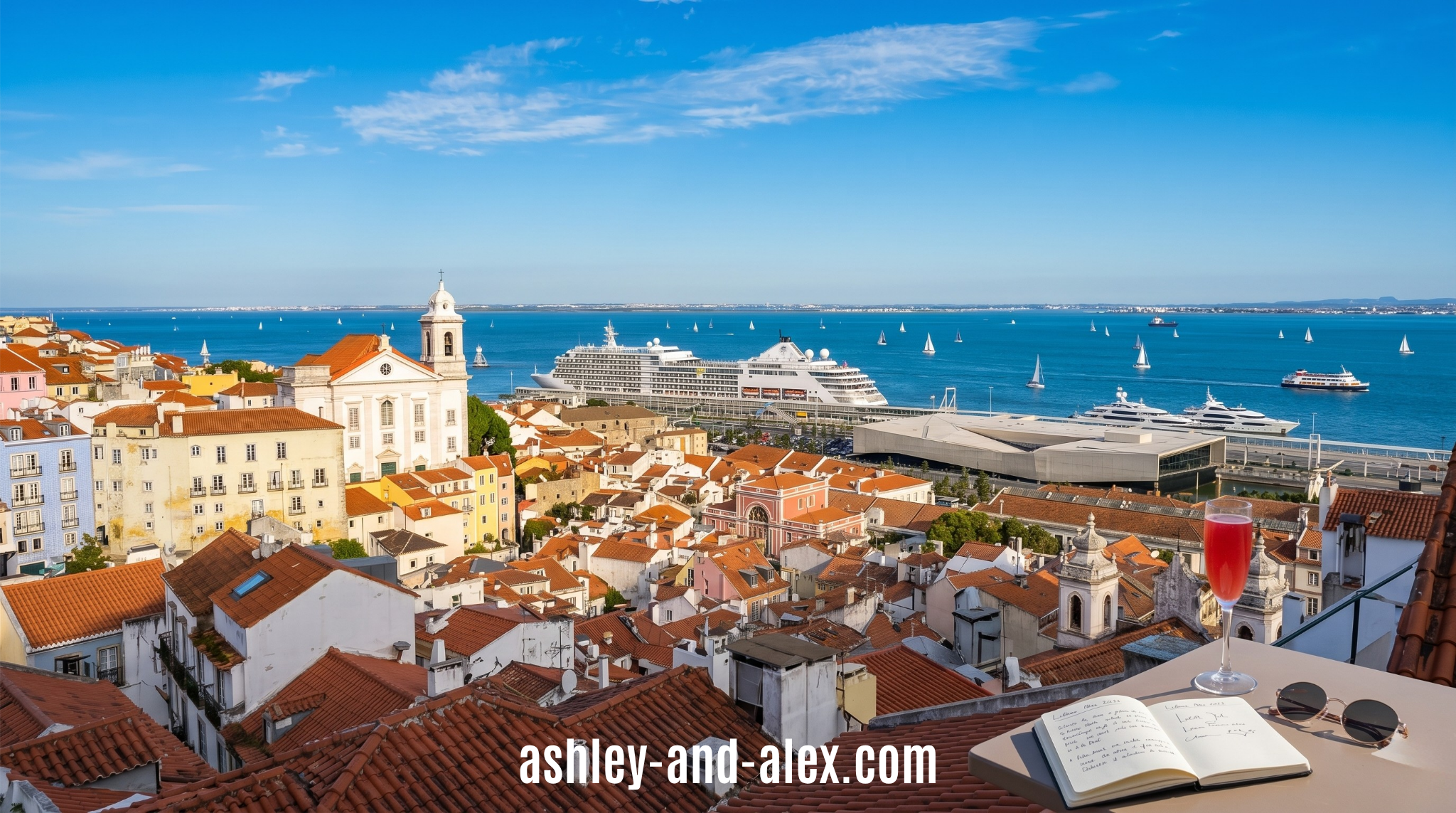
While areas like Baixa welcome visitors year-round, the true spirit of Easter unfolds in Lisbon’s residential quarters.
Neighborhoods such as Alfama, Graça, and the hillside enclave of Penha de França become noticeably calmer during Holy Week.
Balconies are decorated with flowers, small community churches prepare for processions, and locals move through the streets with a sense of reflection.
Walking these winding alleys during Easter offers a rare stillness that allows Lisbon’s long history to quietly reveal itself.

Easter Rituals to Witness in Lisbon
Portuguese Easter traditions focus less on commercial celebrations and more on family, faith, and community. While some traditions are more prominent in the North of Portugal, in Lisbon you can still find the heartbeat of the season:
-
A Glimpse of the Compasso Pascal In Northern cities like Braga or Porto, the Paschal Visit (where priests go door-to-door to bless homes) is a major event. In Lisbon, it is a rarer, more intimate sight. However, if you wander through the tightly-knit communities of Alfama, Graça, or Penha de França, you may still witness small local processions or neighbors gathering as the parish priest makes his rounds to a few traditional doorsteps.
-
Missa da Ressurreição Attending the Resurrection Mass at the magnificent Lisbon Cathedral (Sé de Lisboa) remains one of the most powerful and central Easter experiences in the city.
A Taste of Tradition: Folar de Páscoa
No Easter in Portugal is complete without Folar de Páscoa, a traditional bread rich with symbolism.
What is Folar?
In different regions of Portugal, Folar can be sweet or savory. In Lisbon, the sweet version is most common , a dense bread similar to brioche.
Its flavor comes from:
-
Cinnamon
-
Anise
-
A whole boiled egg
The egg, placed in the center and held by strips of dough forming a cross, represents renewal and resurrection.

Where to Find the Best Folar in Lisbon
Skip the tourist bakeries and follow the locals. Look for neighborhood pastelarias where residents line up early on Saturday morning, this is when the city feels most alive with anticipation.
-
Confeitaria Nacional: A historic choice in the center, but be prepared for the Saturday morning rush!
-
The Neighborhood Secret: Often the most authentic, anise-scented versions are found in small family bakeries tucked into residential streets, especially in hilltop areas like Penha de França. This is where you’ll see the true “slow living” side of Lisbon’s Easter.
Other Traditional Portuguese Easter Foods
Easter meals in Portugal are generous and deeply traditional.
Typical dishes include:
Roasted Lamb (Borrego)
A classic Easter Sunday lunch centerpiece.
Amêndoas de Páscoa
Sugar-coated or chocolate almonds exchanged between godparents and godchildren.
Pão de Ló
A light, airy sponge cake served during celebrations.
Tips for Experiencing Easter in Lisbon
Check Opening Hours
Many family-owned restaurants close on Easter Sunday so staff can celebrate with their families.
Visit the Miradouros
With fewer crowds, Lisbon’s viewpoints feel especially peaceful.
One of the best morning views can be found at
Miradouro da Senhora do Monte.
Embrace the Slow Pace
This is the perfect season to linger over a bica (espresso) while enjoying the soft spring light over the Tagus River.
Final Thought
Lisbon does not simply celebrate Easter.
It breathes it, tastes it, and lives it , inviting visitors to slow down, reflect, and experience Portuguese tradition at its most genuine.


Leave a Reply