

We say orange without thinking much about it.
But in Turkish, the word is different.
Portakal.
At first glance, it sounds… geographic.
And that’s because it is.
The Turkish word for orange comes directly from Portugal.
Not as a metaphor.
Not as a coincidence.
But as a quiet historical footprint left in everyday language.
A Fruit That Traveled Before It Had a Name
The orange didn’t originate in Europe.
Its roots trace back to China and Southeast Asia.
For centuries, the Mediterranean world knew a different kind of orange ; bitter, sharp, mostly medicinal. Sweet oranges came much later.
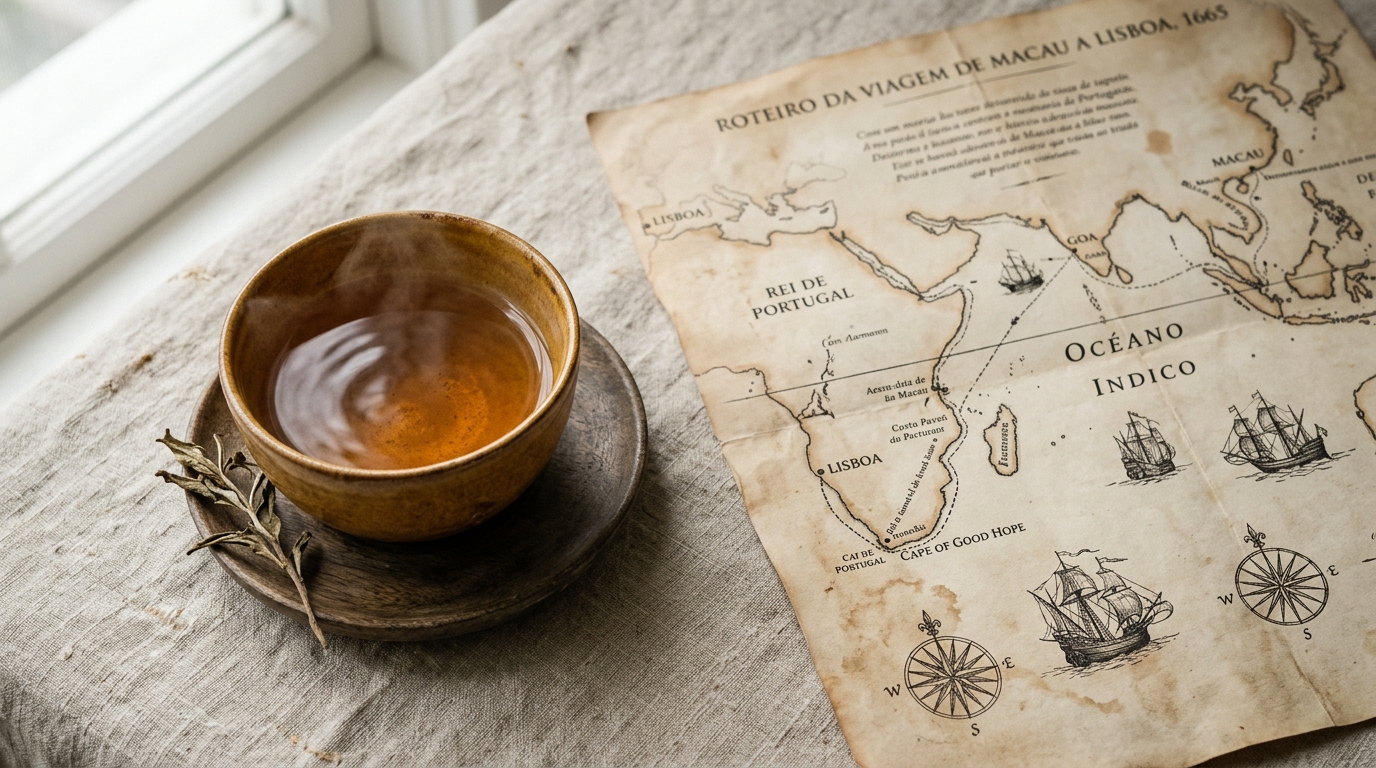
In the 15th and 16th centuries, Portuguese sailors began bringing sweet oranges from India to Europe through newly established sea routes. These oranges reached ports across the Mediterranean, including Ottoman lands.
And when the Ottomans encountered this new, sweeter fruit, they didn’t ask what it was called back home.
They asked where it came from.
The answer was simple:
Portugal.
So the fruit became portakal.
When Language Records Trade Routes
This isn’t unique to Turkish.
In Greek, Arabic, and several Balkan languages, the word for orange also resembles Portugal. The name spread the same way the fruit did ; ship by ship, port by port.
What’s fascinating isn’t just the etymology, but what it reveals:
Language remembers logistics.
Long before history books listed trade agreements or naval expansions, everyday speech was already keeping score.
A fruit arrives.
People name it after its origin.
And centuries later, the word remains.
Not Political — Just Human
This story doesn’t need to be political to be meaningful.
It’s about how ordinary people make sense of the world:
by associating the unfamiliar with something concrete.
A place.
A route.
A name.
You don’t need to know anything about Portuguese maritime power or Ottoman trade networks to understand portakal.
You just need to imagine someone tasting a sweet orange for the first time and saying:
“This must be the one from Portugal.”
The History We Carry Without Noticing
We often think history lives in museums, archives, and dates.

But sometimes, it lives in your fruit bowl.
Every time someone says portakal, they’re unknowingly repeating a story of travel, exchange, and encounter ; a reminder that cultures don’t meet only through wars and treaties, but also through food, curiosity, and everyday life.
A simple word.
A long journey.
Still intact.
A Small Portuguese Irony (Footnote)
There’s a quiet irony hiding in all of this.
While Turkish and several neighboring languages named the fruit after where it arrived from, Portuguese never did.
In Portuguese, an orange is called laranja, a word derived from naranj, its Arabic root , tracing the fruit not to Europe, but further back east.
Sometimes, it’s even referred to as laranja da China, pointing directly to its original homeland.
So while others remembered the route,
the Portuguese remembered the origin.
Different naming logics.
Same fruit.
A gentle reminder that language doesn’t record history objectively , it records it humanly.



Leave a Reply