
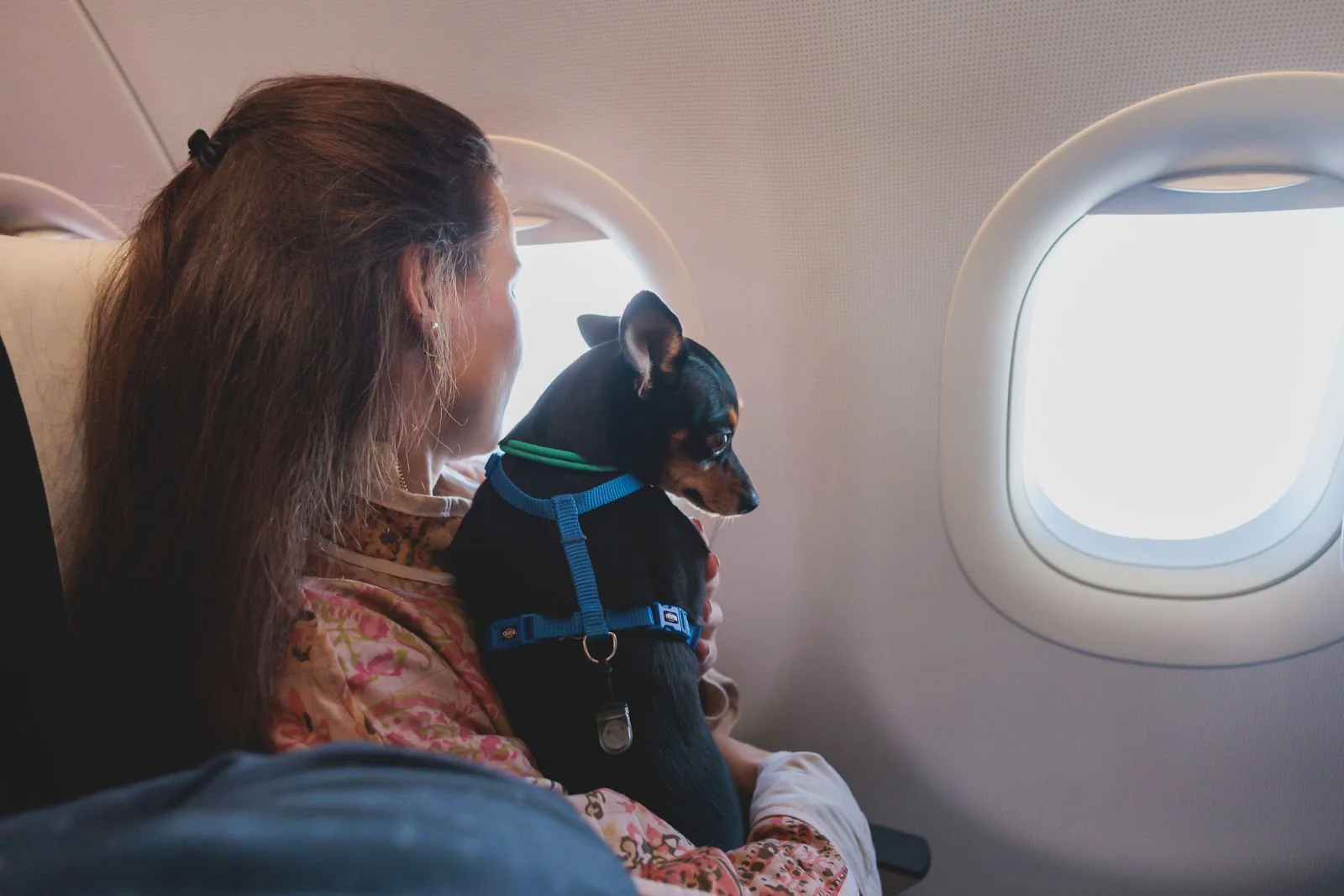

Flying with a pet isn’t just about buying an extra ticket.
One missed detail can mean denied boarding, unexpected fees, or a stressful flight for both you and your animal.
If you’re planning to travel internationally or relocate with your dog or cat, this guide breaks down the 10 most important things to check before booking a flight with a pet — based on real experiences, airline rules, and what actually causes problems at the airport.
Whether you’re moving abroad or taking a long trip, this checklist can save you time, money, and unnecessary stress.
Some airlines technically allow pets, but only on specific aircraft models or routes. A confirmed ticket does not guarantee your pet’s acceptance unless the airline explicitly approves it.

1. Check the Airline’s Pet Policy (Before You Book)
Not all airlines are pet-friendly and policies vary widely.
Before booking, always check:
-
Whether pets are allowed in cabin, in cargo, or not at all
-
Breed restrictions (especially for snub-nosed breeds)
-
Maximum weight limits (pet + carrier combined)
Some airlines accept pets only on specific routes or specific aircraft types, so never assume availability.
2. In-Cabin or Cargo? Know the Difference
Small pets may travel in cabin, but larger animals usually must fly in the hold.
Important differences:
-
In-cabin pets stay under the seat in an airline-approved carrier
-
Cargo pets must meet stricter crate and health requirements
-
Cargo availability may depend on weather conditions
Always confirm which option your pet qualifies for before booking.

3. Book Your Pet’s Spot Early (They’re Limited)
Most airlines allow only:
-
2–6 pets per flight in cabin
-
A limited number in cargo
This means:
-
Your ticket may be confirmed, but your pet is not guaranteed
-
Waiting too long can force you to change flights
👉 Always call the airline immediately after booking to reserve your pet’s spot.
4. Double-Check Carrier & Crate Requirements
Airlines are extremely strict about carrier dimensions.
Before purchasing:
-
Measure the space under the seat for in-cabin pets
-
Confirm IATA-approved crates for cargo travel
-
Check ventilation, locking mechanisms, and material rules
A carrier that’s “almost” compliant can still get rejected at check-in.


5. Understand the Real Cost of Flying With a Pet
Flying with a pet is rarely cheap.
Costs may include:
-
In-cabin pet fee (€50–€150 each way)
-
Cargo fees (often weight + distance based)
-
Veterinary certificates
-
Approved travel crates
These fees are usually non-refundable, even if plans change.
6. Health Certificates & Timing Matter
Most countries require:
-
A veterinary health certificate
-
Issued within 7–10 days before departure
-
Signed by an authorized vet
For international travel, timing is critical.
An expired or early-issued certificate can cancel your trip instantly.
7. Breed & Temperature Restrictions Are Real
Some airlines:
-
Ban snub-nosed breeds entirely
-
Restrict cargo travel during hot or cold seasons
-
Refuse transport if ground temperatures exceed limits
This is for animal safety but it can catch travelers by surprise.
Always check seasonal and breed-specific rules.
8. Know Transit & Layover Rules
If your flight has a layover:
-
Some airports do not allow pets in transit
-
Others require additional paperwork
-
You may need to re-check your pet between flights
Direct flights are almost always safer and simpler when traveling with animals.
9. Research Arrival Country Regulations
Airline approval ≠ country entry approval.
Check destination requirements for:
-
Microchip standards
-
Rabies vaccination timelines
-
Pet passports or import permits
-
Quarantine rules (if applicable)
One missing stamp can result in denied entry or quarantine.
10. Prepare Your Pet — Not Just the Paperwork
Even if everything is technically correct, your pet’s comfort matters.
Before flying:
-
Introduce the carrier weeks in advance
-
Avoid feeding right before the flight
-
Never sedate without vet advice
-
Add familiar items (blanket, scent)
A calm pet makes the entire journey easier for everyone.

Final Thoughts: Planning Makes All the Difference
Flying with a pet can be smooth, safe, and even enjoyable if you plan properly.
Most problems don’t come from the flight itself, but from:
-
Missing airline rules
-
Incorrect documents
-
Last-minute assumptions
Taking time to research and prepare is the best gift you can give your pet before traveling.
Related guides you might find helpful:
-
How to Travel Internationally With a Dog or Cat
-
Pet-Friendly Airlines in Europe
-
Moving Abroad With Pets: Step-by-Step Guide




Leave a Reply